This post concludes our exploration of the eight primary Himalayan singing bowl families by detailing the unique characteristics of the Manipuri, Naga, Remuna, and Lingam bowls. By examining their specific shapes, sound profiles, and historical origins, practitioners can make informed choices when curating instruments for acoustic work.
Following our look at the Jambati, Ultabati, Thadobati, and Mani families, let's explore the final four. I have included photos and audio clips from my collection to help illustrate their distinct physical and acoustic personalities.
Manipuri
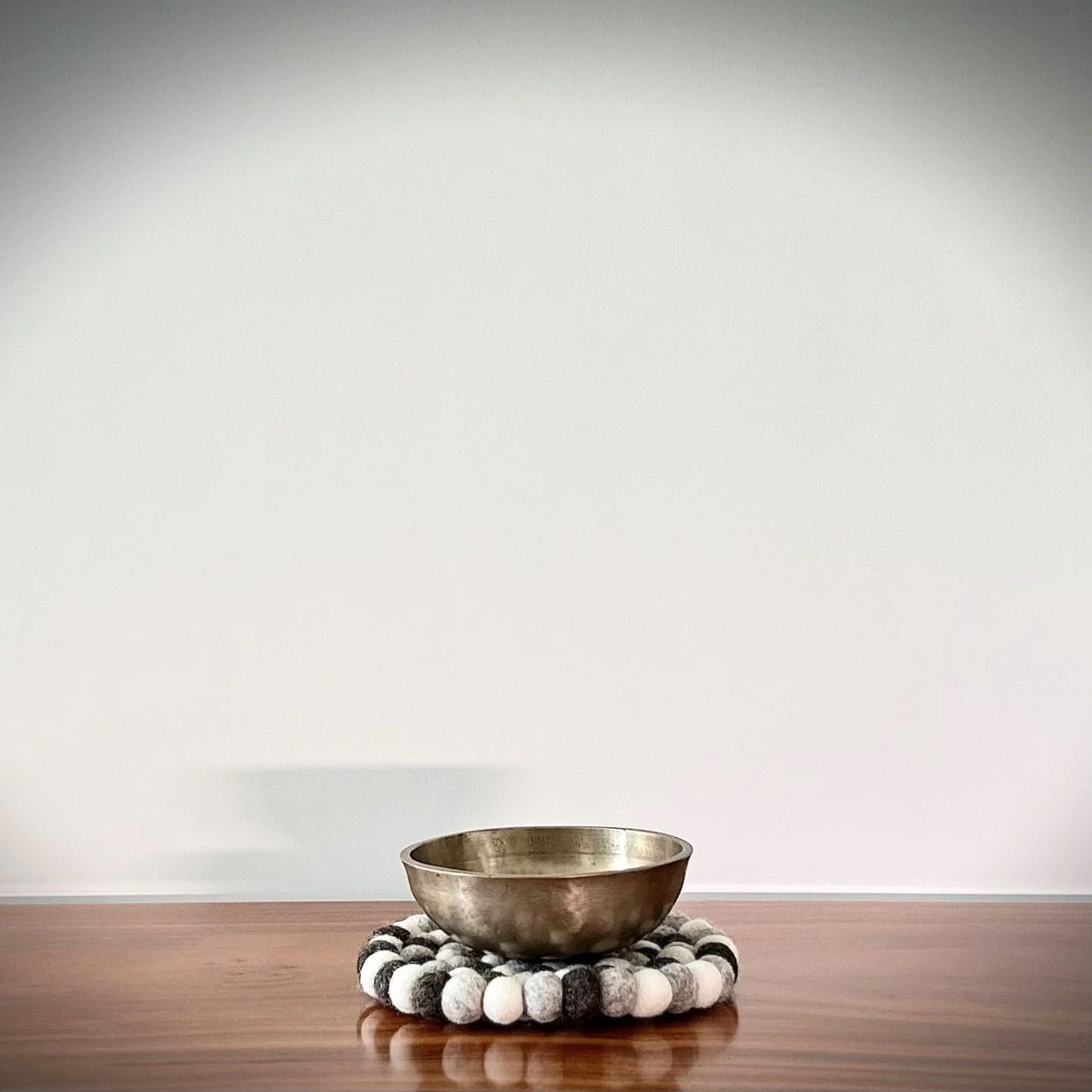
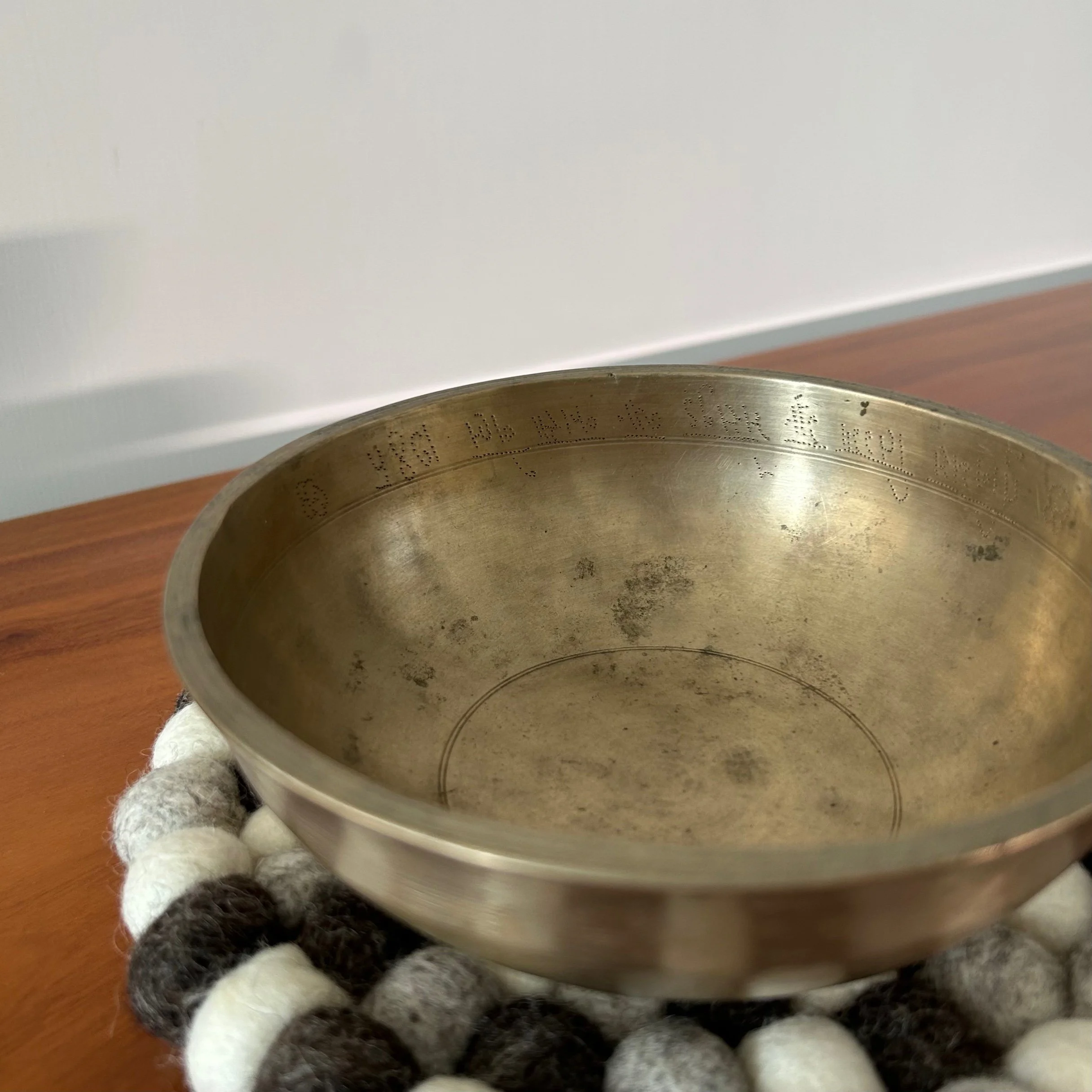
Manipuri bowls have a relatively flat shape and are often crafted from a more golden bronze alloy. They produce an intimate, soothing sound with delicate low-frequency oscillations. Many authentic antique pieces feature rich ornamentation, which you can see in the photos, including sun symbols, sacred geometry, or fine-tuning gashes.
Balance them on your fingertips while playing to let the metal vibrate freely.
Listen closely to appreciate their elegant, lingering harmonics.
Look for the intricate ritual markings that make their appearance so captivating.
Naga
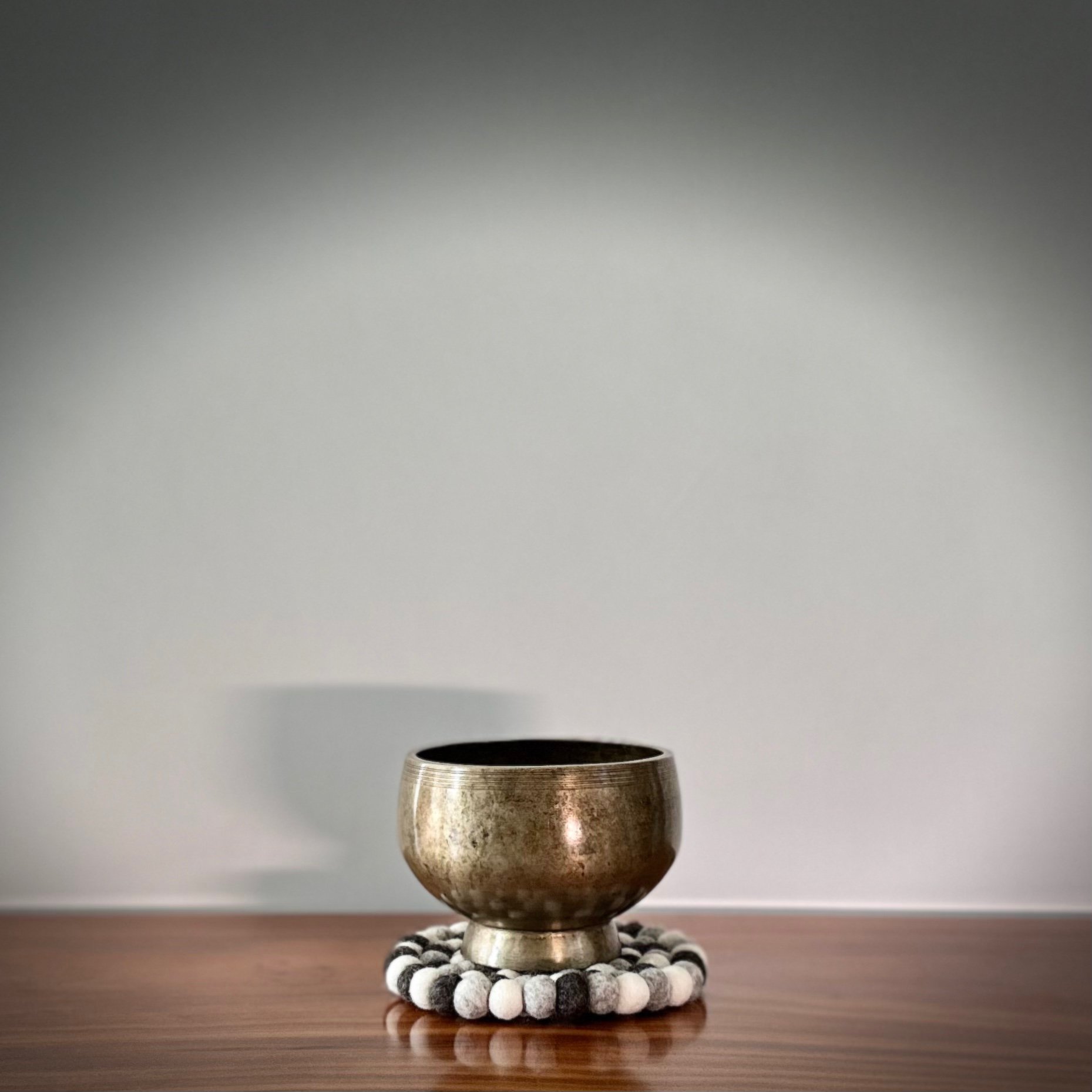
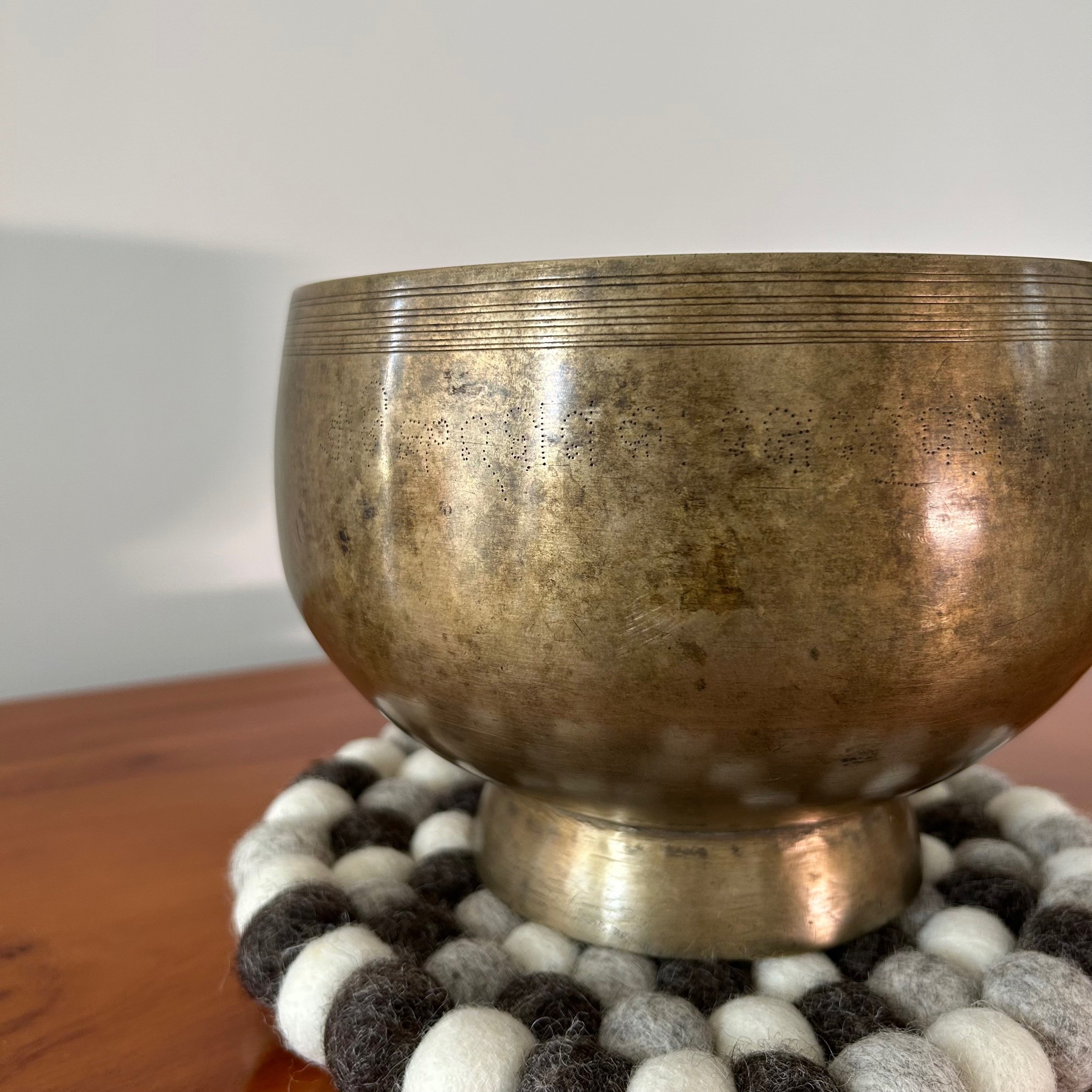
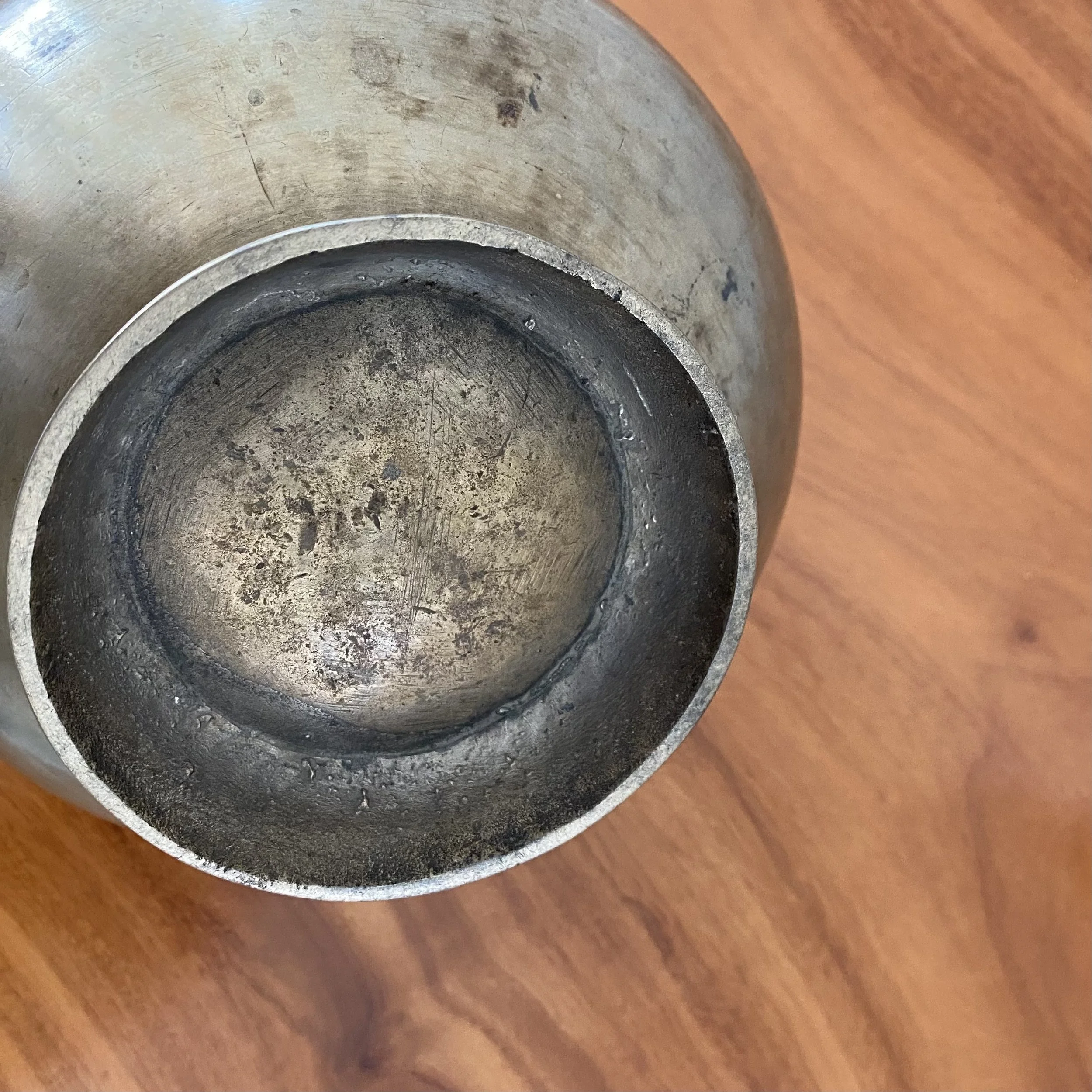
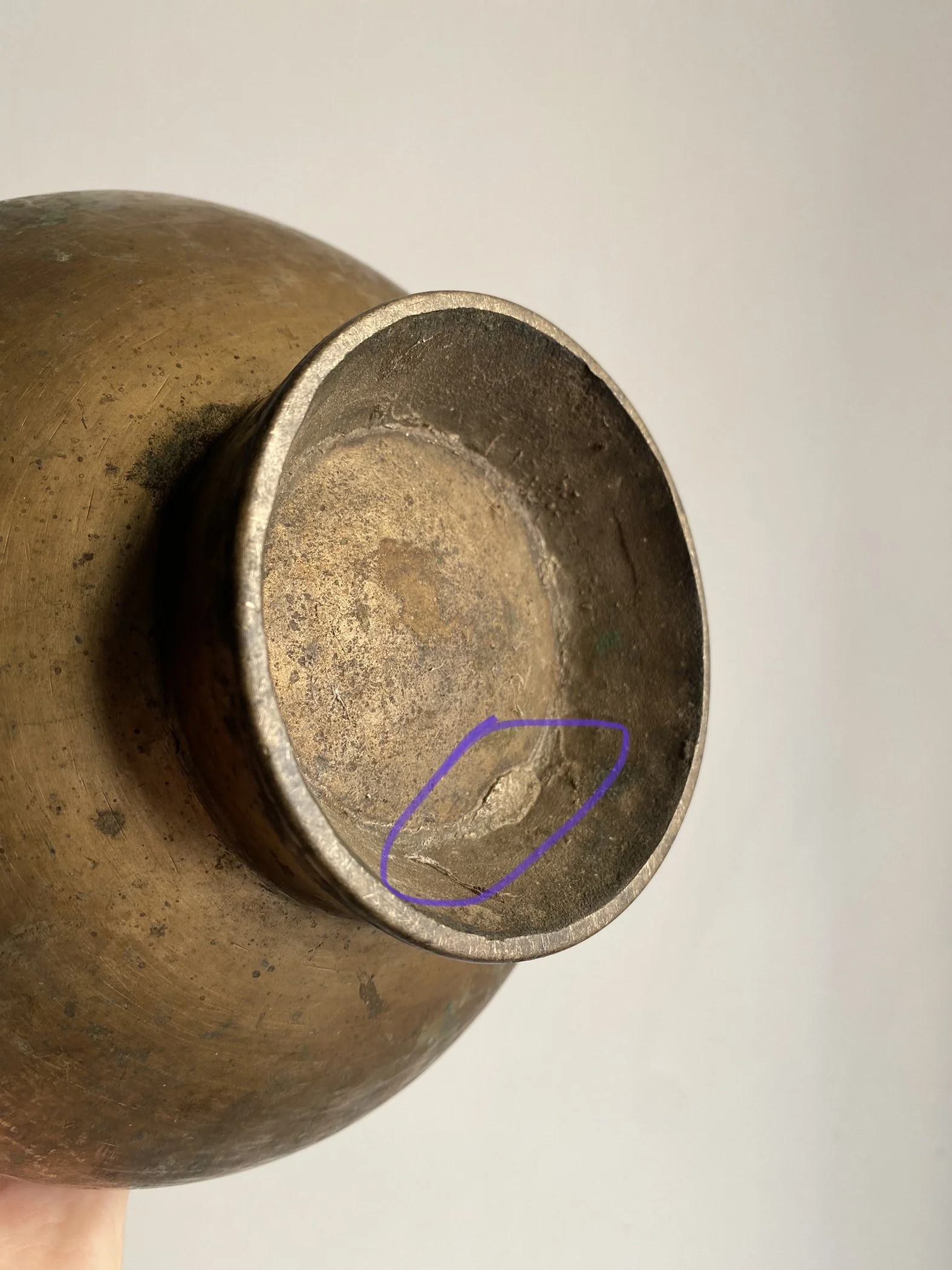
Recognizable by their pedestal stand, Naga bowls resemble a sacred chalice. From a historical perspective, acoustic and structural research strongly suggests these were originally offering cups, rather than ancient singing bowls. While their raw resonance may not rival other families, moving them through the air by their pedestal creates fascinating acoustic effects.
Check the pedestal weld carefully: genuine older pieces feature irregular hammer welding (pictured left), not the smooth 20th-century fusion weld (pictured right).
Look for gorgeous dot-punched inscriptions, sometimes framed by animal or lotus motifs.
Hold the pedestal while striking the bowl to experiment with spatial sound modulation.
Remuna
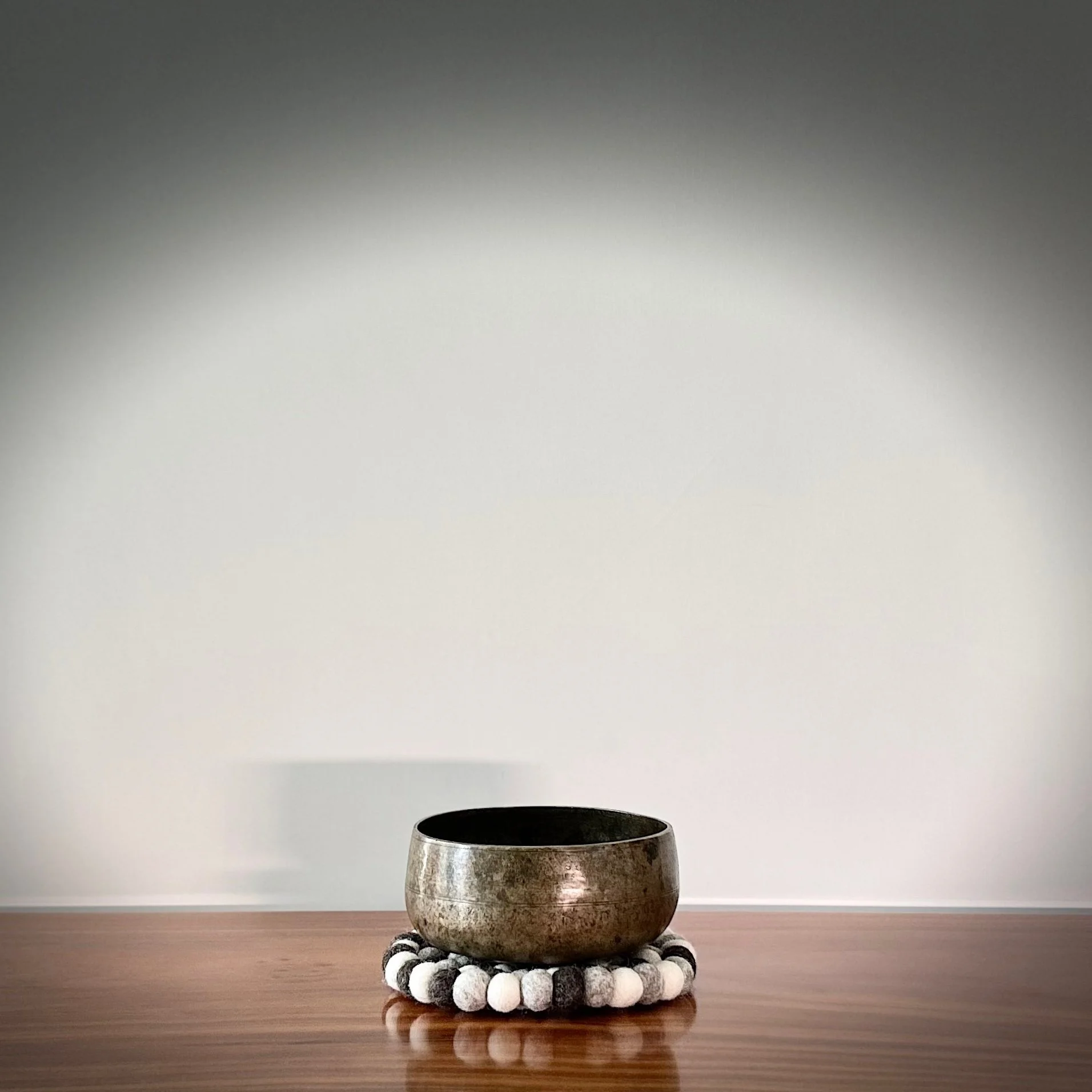
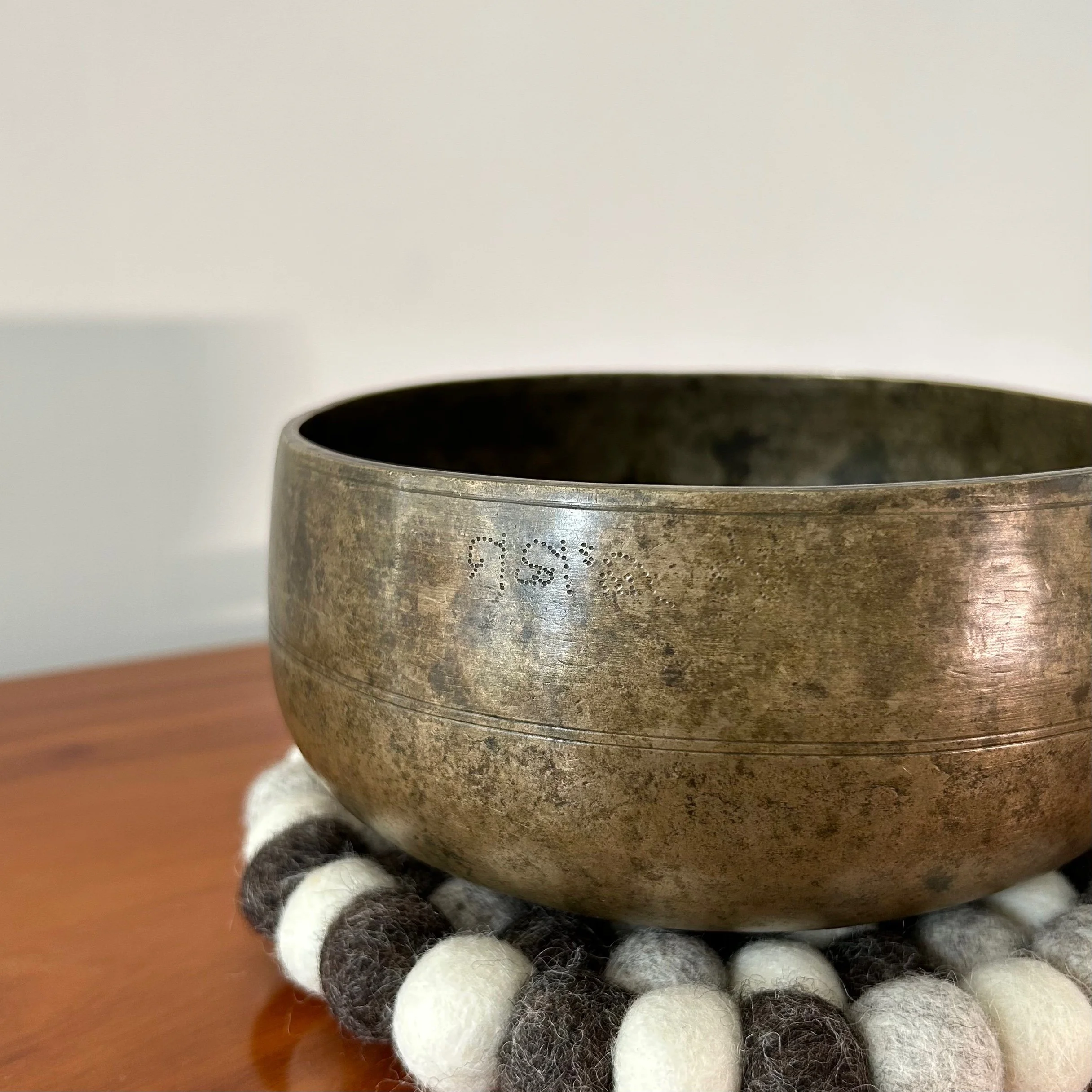
Remuna bowls feature smooth walls that slope slightly inward, giving them a sleek profile. As you can hear in the provided recording, their thin walls produce a surprisingly low pitch and a dark, mysterious timbre.
Notice the decorative concentric circles in the center and incised lines along the belly.
Listen to the audio clip to hear how thin walls correlate to a deeper fundamental pitch.
Value them as unique collector's pieces that offer a deeply grounding acoustic presence.
Lastly, some Remuna bowls function beautifully as a dynamic "talking bowls" when water is added.
Lingam
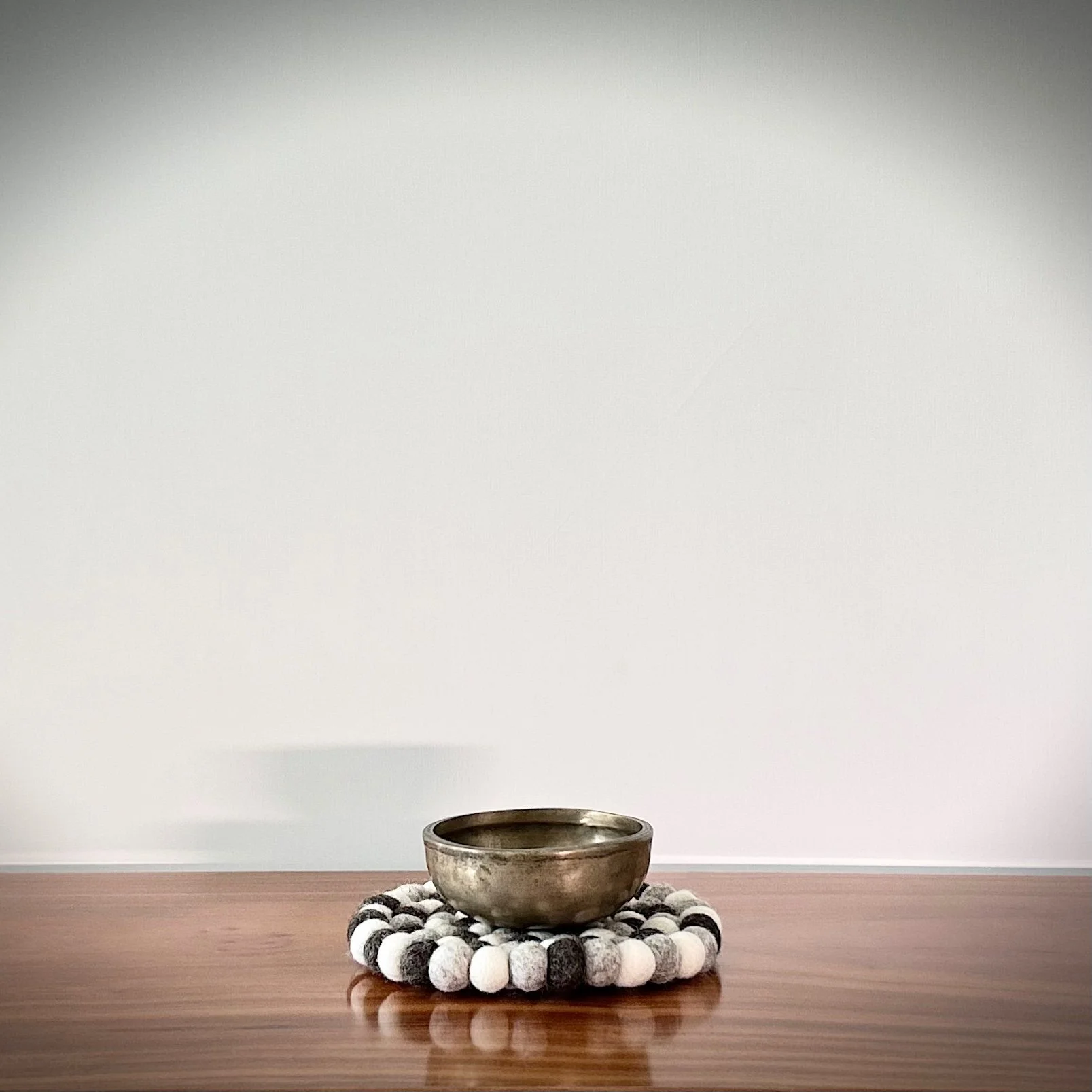
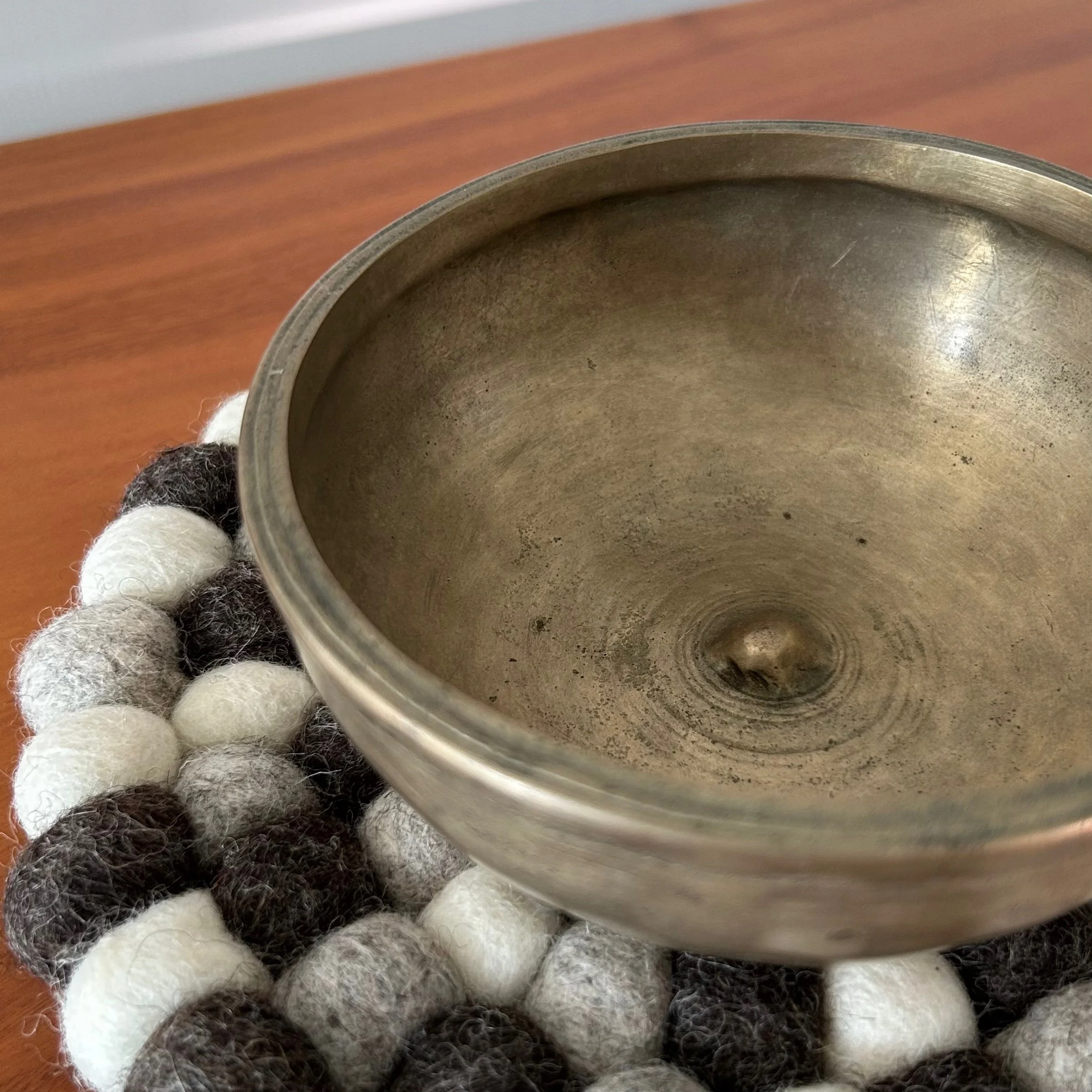
Recognized by a conical protrusion in the center of the basin, Lingam bowls are among the rarest ceremonial artifacts, with some verified pieces dating to the 16th century. They produce a sweet, sonorous, and often pulsating tone that generally sits in the middle and higher octaves.
While their aesthetic appeal and market prices have skyrocketed recently, I personally find that a well-crafted Mani or Thadobati can offer equally profound acoustic qualities.
Look for the distinctive central protrusion, which is the defining physical trait of this family.
Listen for a very pure, sustained note with a rhythmic pulse.
Utilize these highly sought-after pieces for focused, intentional ceremonial use.